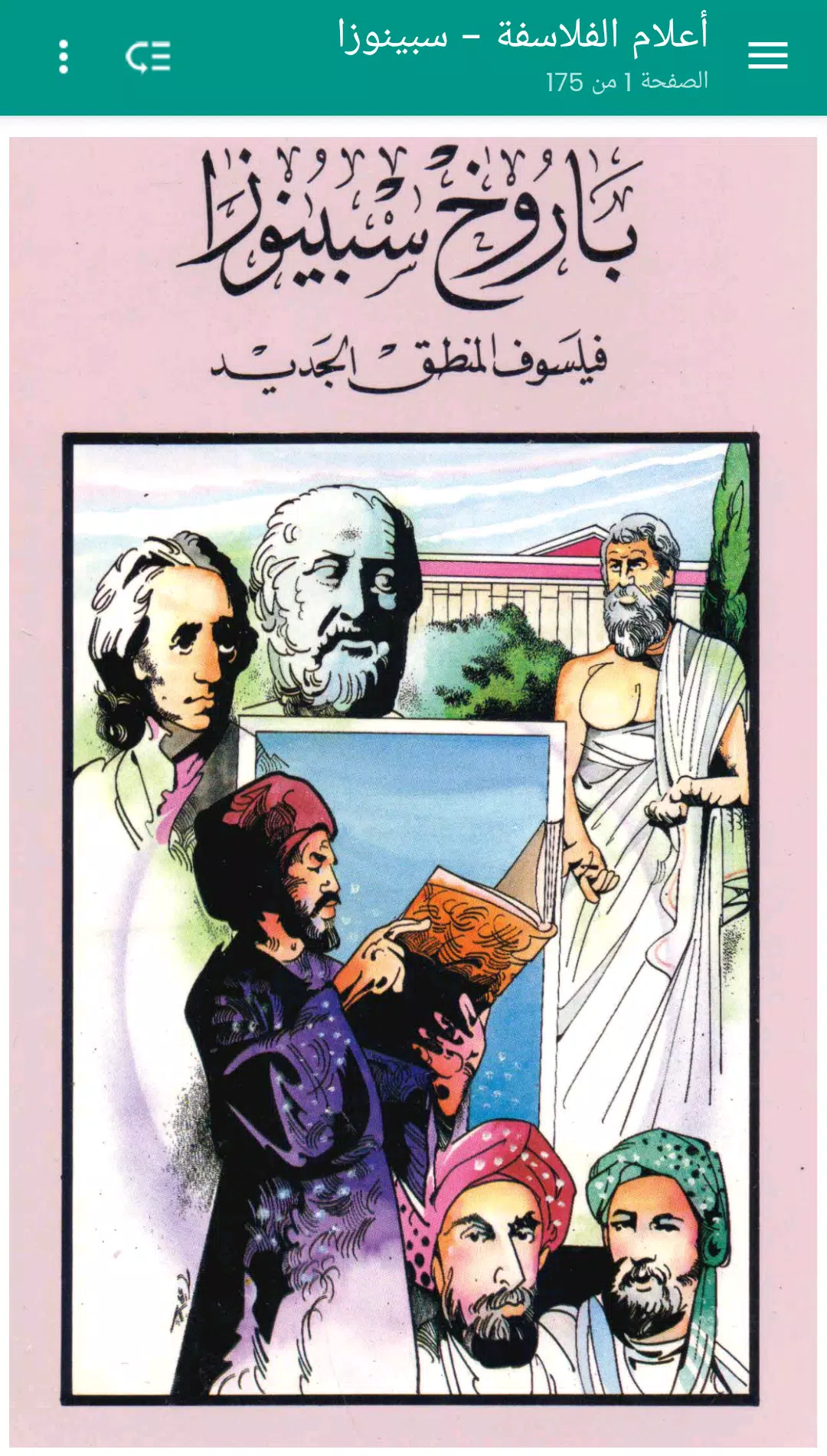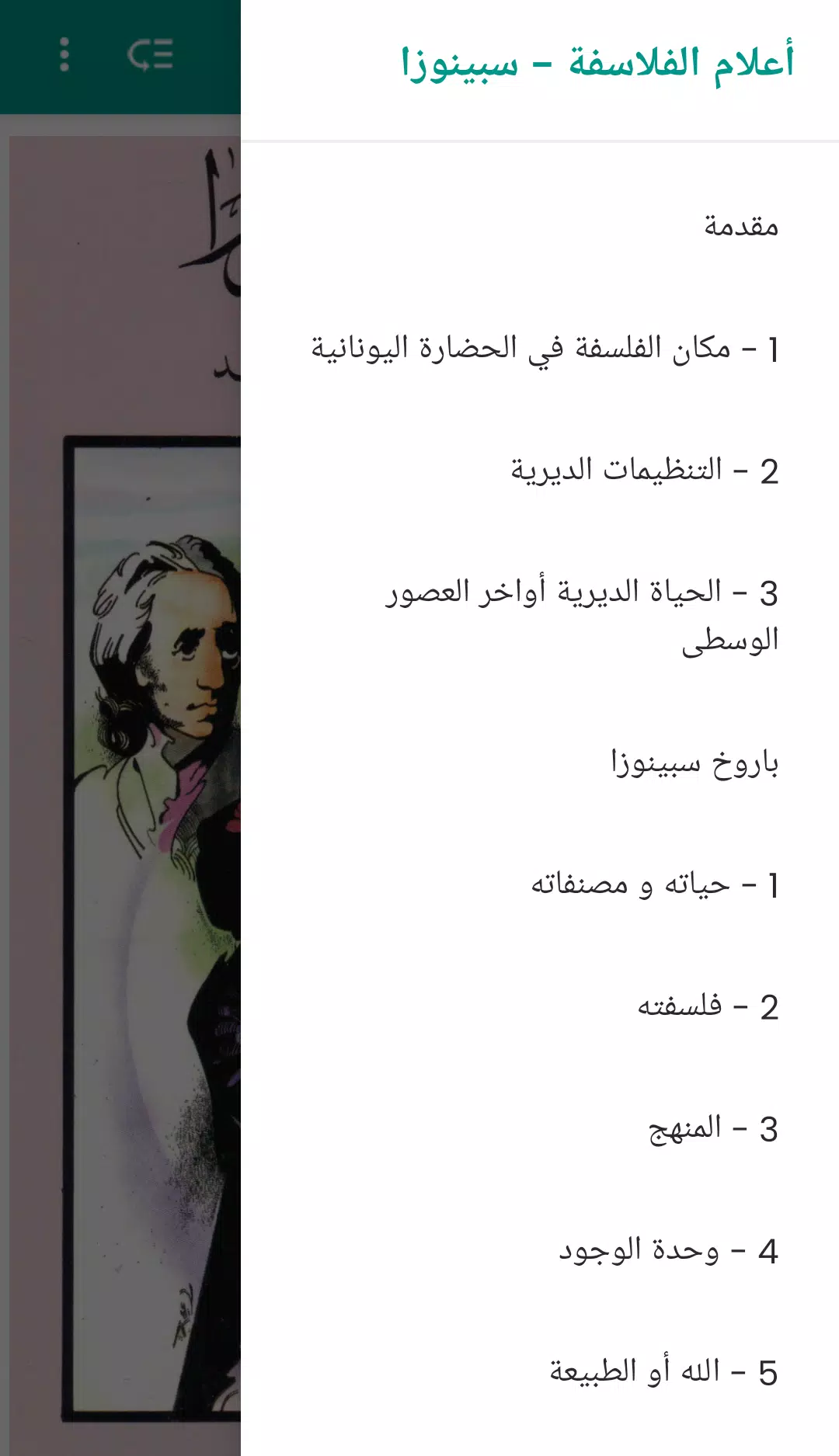
Baruch Spinoza: A Study of Life, Philosophy and Legacy
This work examines the life and philosophy of Baruch Spinoza, one of modernity's most profound and controversial thinkers. Beginning with Spinoza's formative years in Amsterdam's Portuguese-Jewish community, the book explores the religious and intellectual influences that shaped his radical vision.
Core Themes
Excommunication and Intellectual Independence
The book documents how Spinoza's unorthodox philosophical inquiries led to his dramatic excommunication from the Jewish community at age 23. This pivotal moment propelled his development of a rationalist system grounded in logical necessity rather than religious dogma.
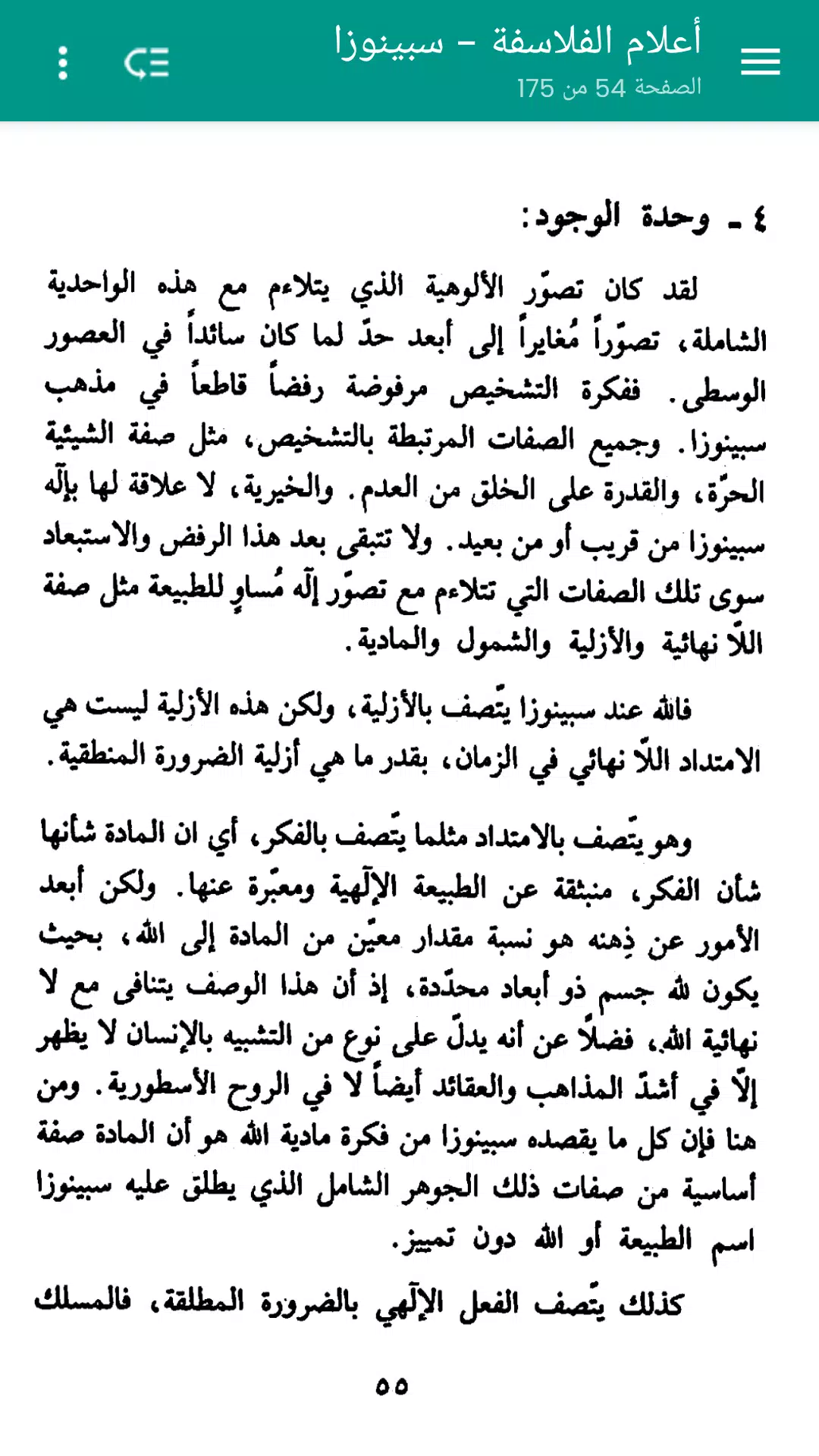
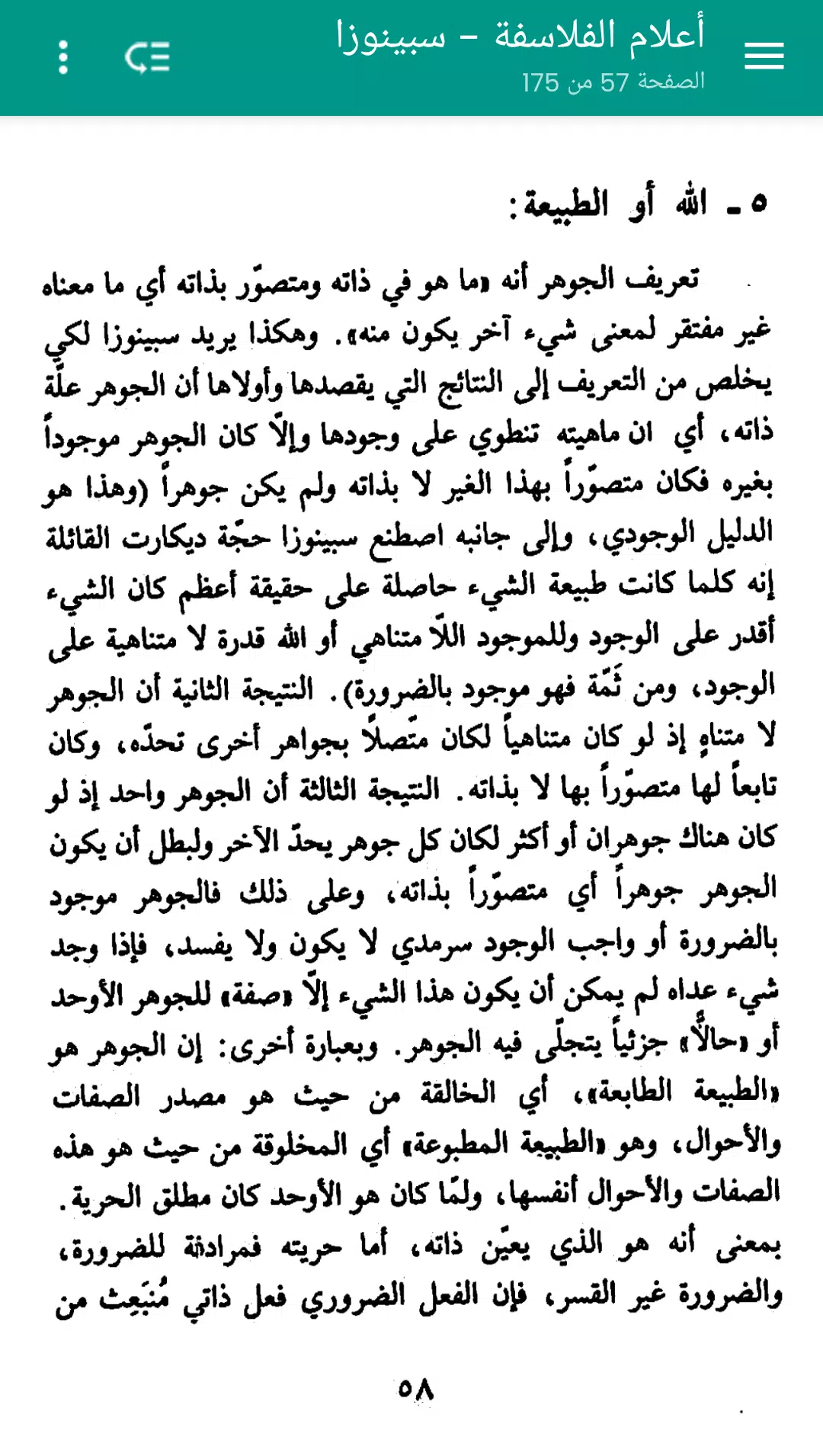
The Metaphysics of Unity
At the heart of Spinoza's philosophy lies his revolutionary conception of "Deus sive Natura" (God or Nature) – the radical proposition that the divine manifests through, rather than beyond, the natural world. The book thoroughly analyzes this pantheistic framework from his magnum opus Ethics.
Freedom Through Understanding
A central focus explores Spinoza's transformative concept of human freedom – not as free will in the traditional sense, but as liberation achieved through comprehending nature's deterministic laws. The work explains his view that true freedom comes from aligning with reason rather than surrendering to passive emotions.
Enduring Relevance
The final sections trace Spinoza's lasting impact across multiple domains:
- His pioneering contributions to biblical criticism
- Foundational concepts in Enlightenment political theory
- His theological-political treatise championing religious tolerance
- Modern applications in philosophy of mind and ethics
What's New (Version 1.0.0)
This current edition includes:
✔ Minor textual refinements and corrections
✔ Enhanced cross-referencing of key philosophical concepts
✔ Optimized chapter organization for clearer thematic progression
Updated November 13, 2024
Ideal for both academic readers and general philosophy enthusiasts, this comprehensive study illuminates why Spinoza remains essential for understanding fundamental questions about existence, knowledge, and our place in the natural world.