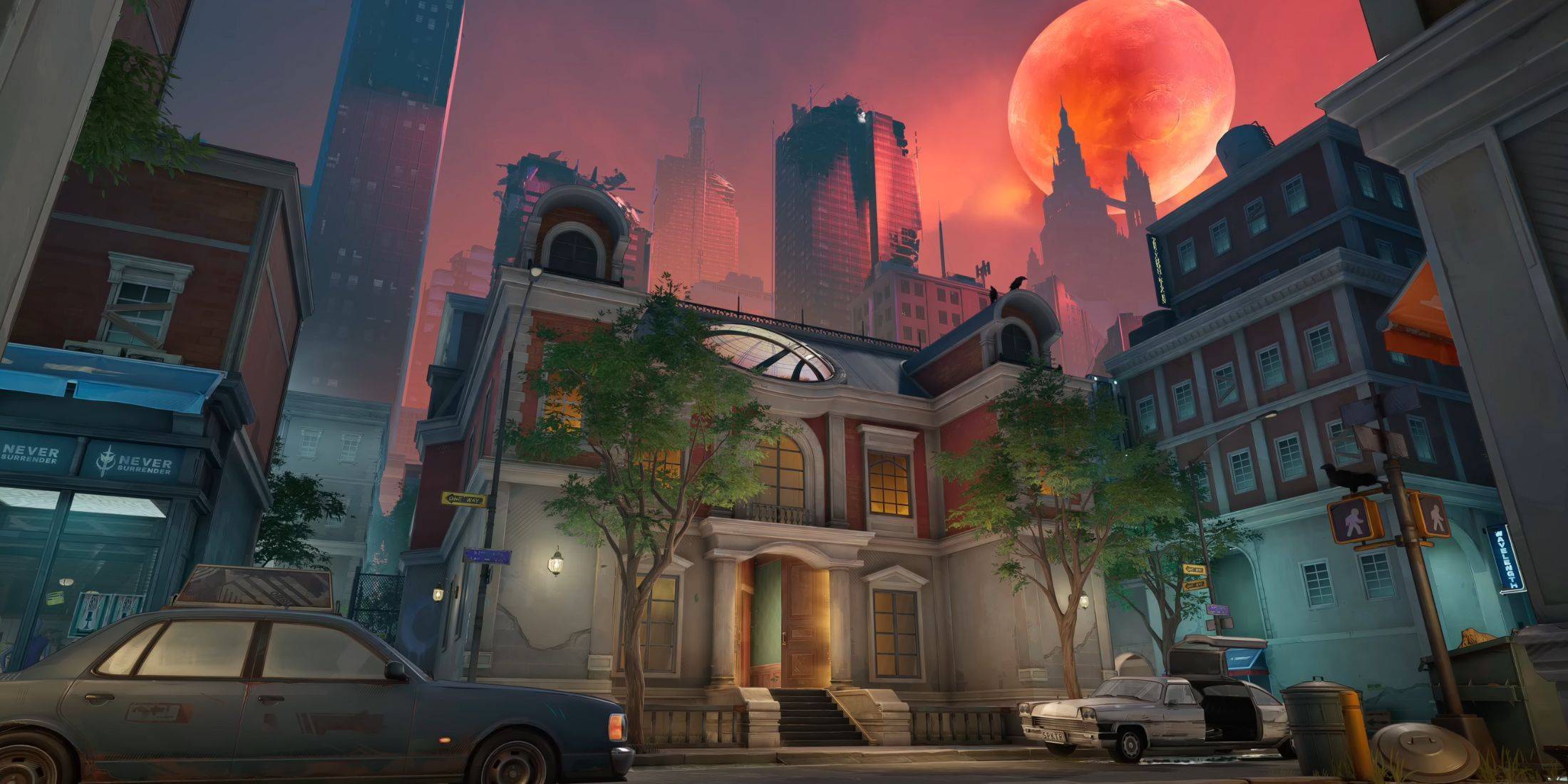
The decision by Paradox Interactive to make the Lasombra and Toreador clans exclusive to the Shadows and Silk DLC in Vampire: The Masquerade – Bloodlines 2 has sparked a mix of frustration and understanding among fans — and for good reason.
On one hand, it’s undeniable that Toreador and Lasombra are foundational to the Vampire: The Masquerade lore. The Toreador, with their deep ties to art, beauty, and decadence, were a fan-favorite in the original Bloodlines. Their absence from the base game feels like a narrative and emotional betrayal to long-time players who expected a full return to the world’s rich clan tapestry.
Similarly, the Lasombra, masters of shadow and manipulation, represent a darker, more politically charged path within the Camarilla. Their exclusion from the base roster — especially when they’ve historically been central to political intrigue and moral ambiguity in the setting — undercuts the game’s promise of a fully realized gothic-horror experience.
That said, the reasoning provided by The Chinese Room and Paradox is not without merit, and it reflects a growing reality in modern game development:
Why This Decision Was Made (and Why It’s Controversial)
-
Community-Driven Development, But At a Cost
The team explicitly stated they extended the development timeline — by years, in some reports — to include these clans. Ian Thomas highlighted that community feedback was a major factor in pushing for more time and resources. This is commendable: listening to fans and adapting the game accordingly. But it also means the base game’s scope was originally built around just four clans, and the expansion to six was a feature addition, not a core design decision. -
Business Realities of Modern Game Launches
Paradox’s explanation — that additional content requires time and resources — is accurate. The $89.99 Premium Edition includes all six clans, the DLC, and likely extra cosmetic or narrative content. This model isn’t new: Cyberpunk 2077, The Last of Us Part II, and Horizon Forbidden West all used similar tiered-release strategies. But in a franchise with such deep lore and emotional investment, the perception of "pay-to-play" depth is far more damaging. -
The Perception of Incompleteness
Even though the DLC launches on day one, fans still feel the base game is "incomplete." The standard edition offers a version of the story, but not the full vision the team and community envisioned. This creates a dual-tier experience: one for those who pay more, another for those who don’t. It risks alienating the very fans who’ve waited years for this sequel. -
A Marketing Strategy, Not Just a Development One
Bundling these two most-requested clans into a single $21.99 DLC (or $89.99 as part of a premium pack) is a smart way to boost revenue while still delivering on fan demand. But it also raises the question: Why not just make all six clans available from launch? The answer lies in budget, scope, and risk management — but not everyone sees it that way.
So, Is This a Good Decision?
From a creative and community engagement standpoint?
Yes — the team clearly values fan input and went the extra mile to honor it. That’s rare.
From a player experience and accessibility standpoint?
No — especially for a franchise known for its narrative depth and moral complexity. Toreador and Lasombra aren’t just "more options" — they represent core philosophical and aesthetic pillars of vampire society. Excluding them from the base game undermines the game’s promise of a fully immersive world.
The Bigger Picture
The game’s hands-on impressions are promising. The atmosphere, the art direction, and the clever use of vampire powers (like the new "Seduction" and "Shadowplay" mechanics) suggest Bloodlines 2 could be a standout title in the RPG genre.
But if players feel the emotional and narrative weight of the game is being held hostage by DLC, that’s a problem — not just for PR, but for long-term reputation.
Final Thoughts
The decision to gate Lasombra and Toreador behind DLC isn’t inherently wrong — but it is risky. Paradox and The Chinese Room made a business-savvy choice, not a design one. They prioritized fan feedback, extended development, and delivered on a promise — but at the cost of perceived fairness.
For many fans, Bloodlines 2 was supposed to be a celebration of the original, not a paywalled expansion. If the game lives up to its potential, it might win over critics and players alike — but the lingering question will remain:
Can a vampire story truly be complete when half of its soul is locked behind a price tag?
Only time — and the player base’s reaction — will tell.

![A Father’s Sins – Going to Hell [Ch. 7 Public] By Pixieblink](https://images.hzyry.com/uploads/67/1719578270667eae9eb6a75.jpg)