
CES 2024 showcased a plethora of gaming laptops, revealing key trends shaping the market. This overview highlights the most significant developments.
A Diverse Landscape of Designs
While gaming laptops have always offered stylistic variety, this year felt particularly diverse. Manufacturers like Gigabyte and MSI are blurring the lines between productivity and gaming machines. High-end models are increasingly emphasizing design elements beyond raw hardware specifications.
This translates to a wider range of aesthetics. Laptops like the Gigabyte Aero series boast sleek, professional designs suitable for any business environment. Conversely, others, such as the MSI Titan 18 HX AI Dragonforged Edition, proudly display their gaming pedigree through bold graphics.
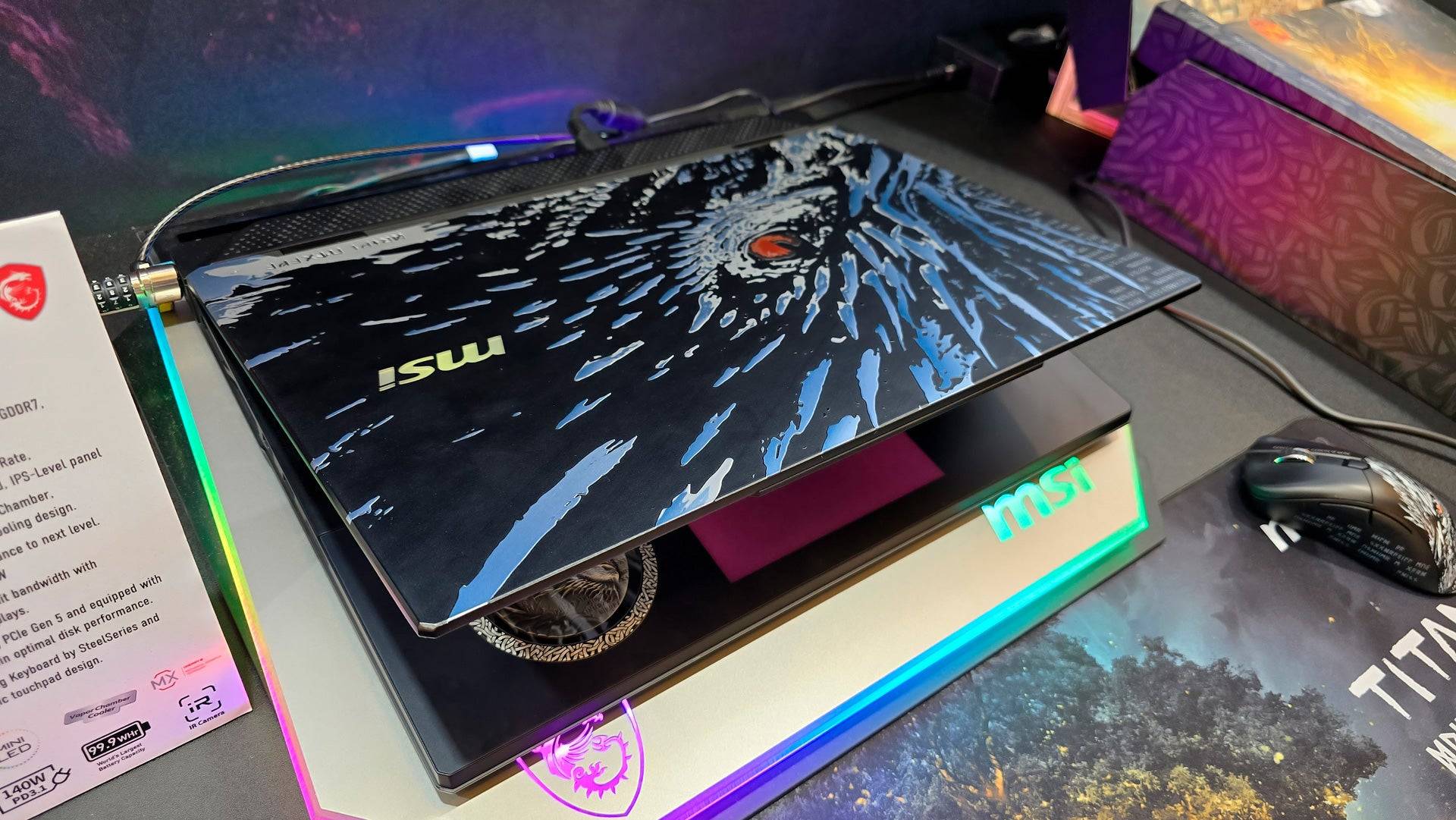 RGB lighting remains a prominent feature, with innovative implementations like wrap-around lighting rings, illuminated keyboards, and even trackpad lighting. Asus ROG Strix Scar series impressed with its AniME Dot Matrix LED display, showcasing text and animations on the lid.
While radical reinvention is absent, expect a compelling blend of familiar form factors (from bulky to ultra-slim) and innovative design elements.
The Rise of AI Assistants
AI integration in laptops gained momentum last year, but implementations often fell short. This year, several vendors showcased AI assistants enabling PC control without dedicated software.
One MSI demonstration showed an AI assistant automatically optimizing performance settings based on the specified game. However, the practical speed advantage over manual adjustments remains questionable. The real-world utility and offline capabilities of these systems need further evaluation.
Mini-LED, Rollable Screens, and Other Innovations
Mini-LED technology is finally making significant inroads into the gaming laptop market. Asus, MSI, and Gigabyte all presented Mini-LED laptops with high-end specifications and pricing. These displays offer impressive brightness, vivid colors, and significantly reduced blooming thanks to over 1,100 local dimming zones. While OLED still excels in contrast, Mini-LED's lack of burn-in risk and superior sustained brightness make it a compelling alternative.
Other notable innovations include the return of the ASUS ROG Flow X13 with USB4 eGPU support, eliminating proprietary connections. Asus showcased its compatibility with a new eGPU offering up to an RTX 5090.
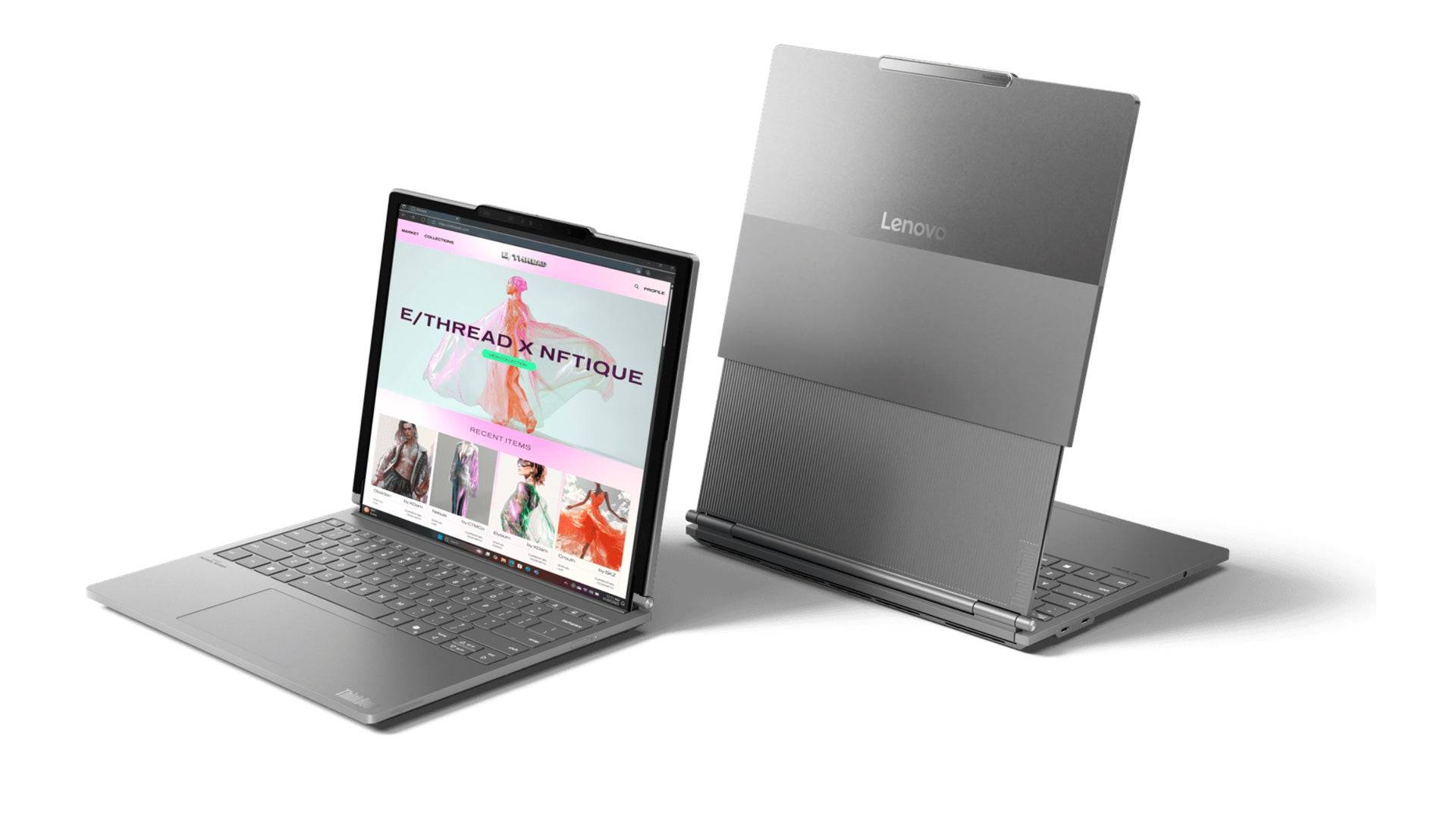 Lenovo's ThinkBook Plus Gen 6 Rollable, though not strictly a gaming laptop, deserves mention as the first commercially available notebook with a rollable OLED display. Its 14-inch screen expands by 2.7 inches with a button press. While its initial iteration presents durability concerns, it represents a significant step forward in display technology.
The Continued Ascent of Ultrabooks in Gaming
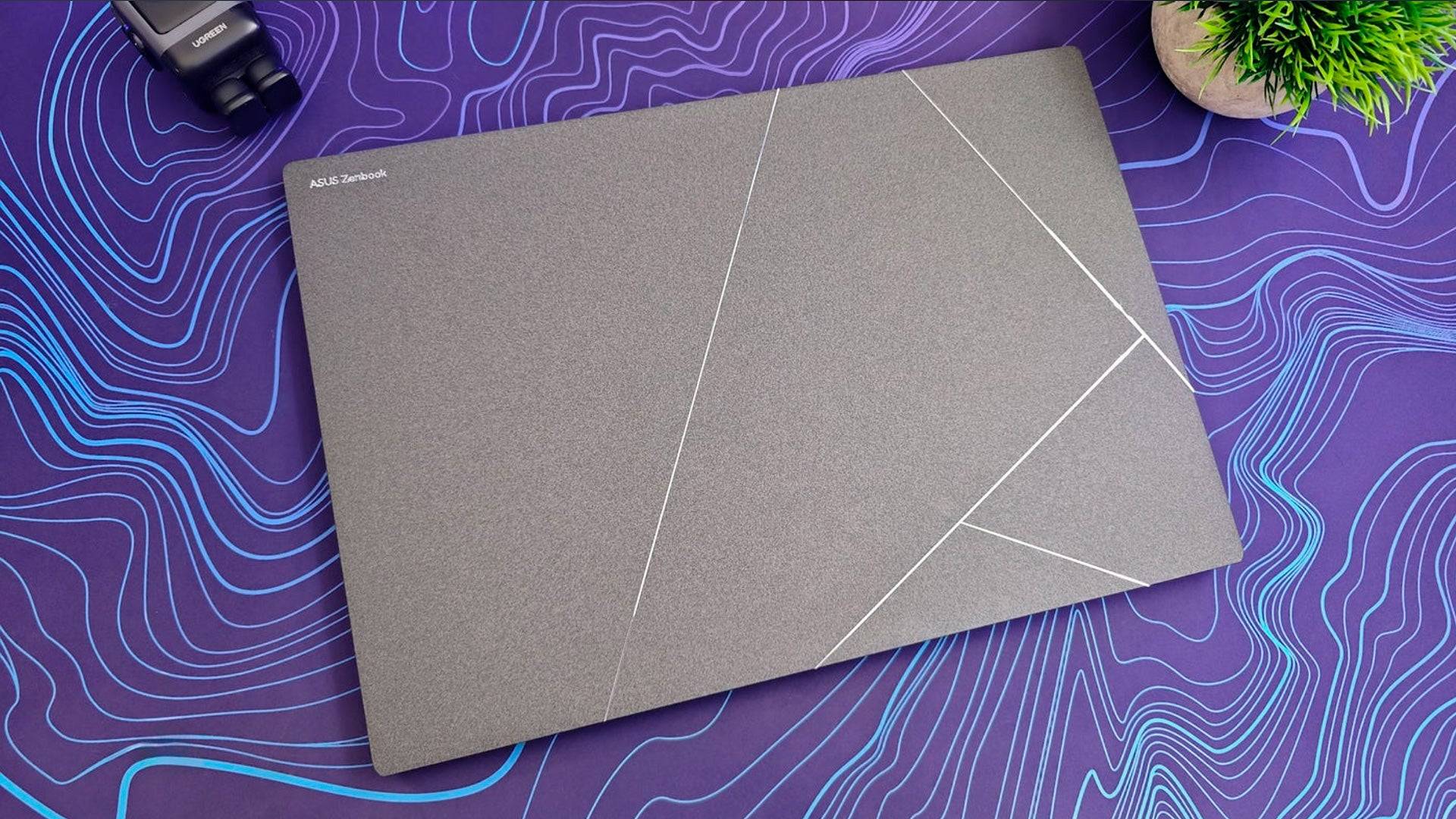
Ultrabooks are increasingly prevalent in gaming lineups. Major manufacturers are embracing the thin, light, and minimalist design, exemplified by Gigabyte's revamped Aero series.
These Ultrabooks offer a compelling proposition: gaming capabilities within a highly portable and productivity-focused device. As demonstrated by the Asus TUF Gaming A14, external GPUs can enhance performance without compromising portability.
 Furthermore, the latest AMD and Intel processors, coupled with features like AMD FidelityFX Super Resolution and Intel XeSS, enable playable frame rates even without dedicated graphics cards, potentially reducing the need for lower-end options like the RTX 4050M. Cloud gaming services like Xbox Cloud Gaming and Nvidia GeForce Now further expand gaming options on these devices.
The gaming laptop landscape is dynamic and exciting. The innovations showcased at CES 2024 promise a year filled with compelling new releases. What trends stood out to you? Share your thoughts below!