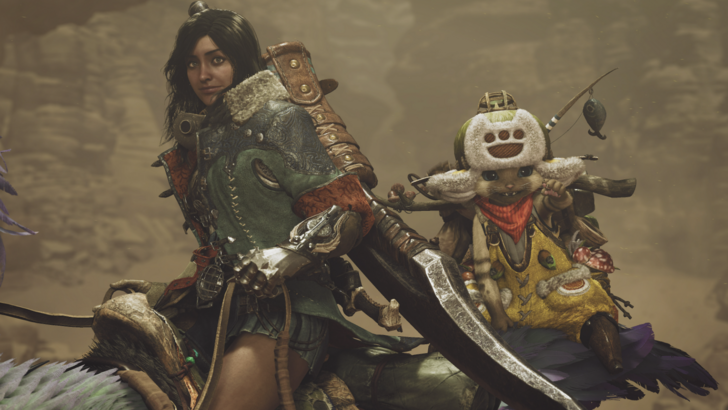
 Building on the monumental success of Monster Hunter World, Capcom is revolutionizing the series with Monster Hunter Wilds.
Related Video
Monster Hunter World's Legacy: The Foundation for Wilds
Capcom Aims for Global Domination with Monster Hunter Wilds
Reimagining the Hunt: A Seamless Open World
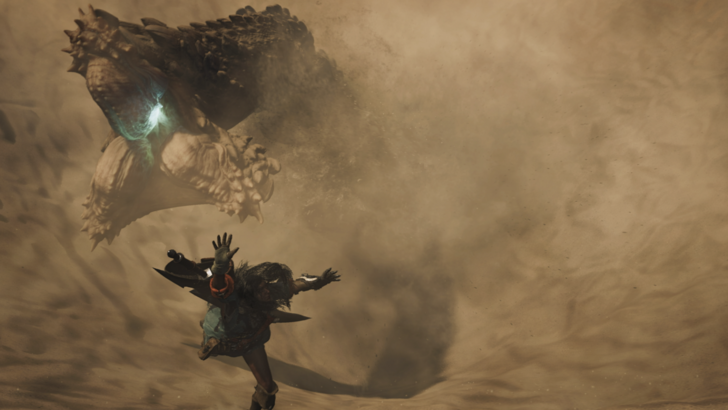 In Monster Hunter Wilds, Capcom boldly reimagines the franchise, transforming epic hunts into a vibrant, interconnected world with a dynamic ecosystem that reacts in real time.
At Summer Game Fest, producer Ryozo Tsujimoto, executive director Kaname Fujioka, and director Yuya Tokuda discussed the game's transformative design. They highlighted the seamless gameplay and immersive environment that responds directly to player actions.
Players once again become hunters, exploring uncharted territories teeming with new creatures and resources. However, the Summer Game Fest demo showcased a significant departure from the series' traditional mission structure. Instead of segmented areas, Wilds presents a truly open world for unrestricted exploration, hunting, and environmental interaction.
"Seamlessness is central to Monster Hunter Wilds," Fujioka stated. "We aimed to craft detailed, immersive ecosystems demanding a seamless world brimming with freely huntable monsters."
A Dynamic and Living World
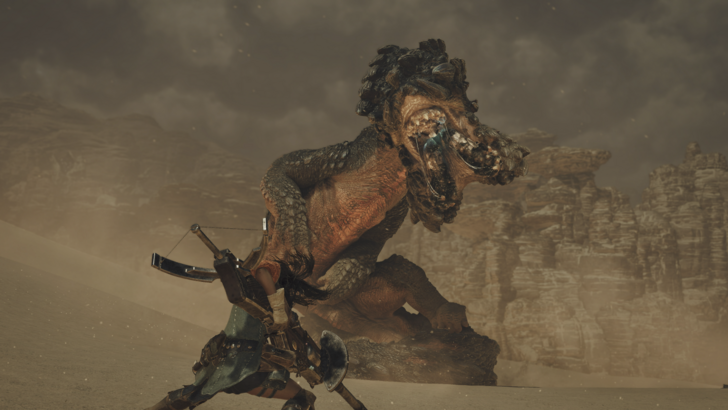 The demo featured desert settlements, diverse biomes, a variety of monsters, and NPC hunters. This new approach removes time constraints, allowing players to freely choose their targets and actions, resulting in a more flexible hunting experience. Fujioka emphasized the importance of world interaction: "We focused on interactions like monster packs pursuing prey and their conflicts with human hunters. These characters exhibit 24-hour behavior patterns, creating a more dynamic and organic feel."
Monster Hunter Wilds also incorporates real-time weather changes and fluctuating monster populations. Director Yuya Tokuda explained the technological advancements enabling this dynamic world: "Creating a massive, evolving ecosystem with more monsters and interactive characters was a huge challenge. Environmental changes occur simultaneously—something previously impossible."
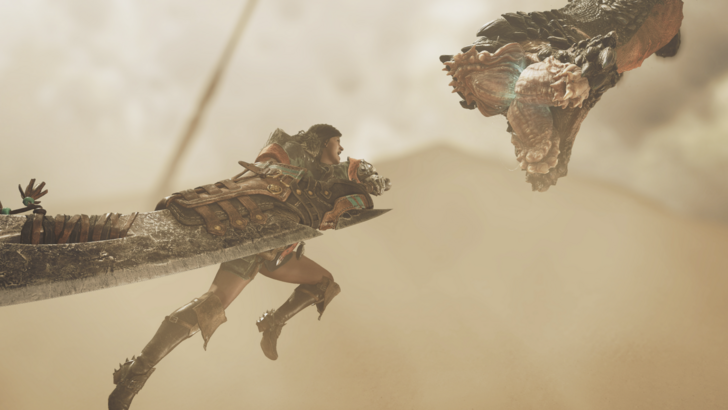 The success of Monster Hunter World provided invaluable lessons that shaped Wilds' development. Producer Ryozo Tsujimoto highlighted the significance of their expanded global approach: "We approached Monster Hunter World with a global mindset, focusing on simultaneous worldwide release and extensive localization. This global perspective helped us cater to players unfamiliar with the series or those returning after a long break."



![A Father’s Sins – Going to Hell [Ch. 7 Public] By Pixieblink](https://images.hzyry.com/uploads/67/1719578270667eae9eb6a75.jpg)